

Windshield Repair: Your Essential FAQs
Your windshield plays a critical role in your vehicle’s safety and structural integrity. When a stone hits, leaving a chip or crack, immediate action is crucial. Understanding the proper steps prevents further damage and ensures your safety on the road. This guide covers what to do after windshield damage, the safety implications of driving with a compromised view, and how experts determine if you need a quick repair or a full replacement. Protect your investment; learn about smart windshield repair today.
What to Do After Your Windshield Gets Damaged
Act fast when you notice damage. Immediate action can save your windshield.
1. Assess the Damage Quickly
First, assess the damage. Measure the chip or crack. If the damage is smaller than a quarter, a simple repair might work. However, the location is crucial. If the damage sits in the driver’s direct line of sight, you likely need a windshield replacement, even if it’s small.
2. Apply Temporary Measures
You must prevent the damage from getting worse. Cover the chip or crack with clear tape immediately. This simple step stops dirt and moisture from entering the glass. This is only a temporary fix! Also, avoid sudden temperature changes. Do not blast your defroster or AC on high settings right away. Extreme heat or cold causes cracks to expand.
3. Seek Professional Inspection
Visit a professional glass repair service as soon as possible. Experts assess the damage accurately. They confirm if the windshield repair is sufficient or if a total windshield replacement is necessary. Furthermore, you should contact your insurance provider. Many policies cover windshield repair without requiring a deductible. This makes quick action easy and affordable.
Is It Safe to Drive with a Damaged Windshield?
You must prioritize safety. A damaged windshield is a major risk.
1. Know the Safety Risks
A crack or chip reduces your visibility. This makes driving seriously unsafe. More critically, a damaged windshield compromises your car’s structural integrity. Your windshield supports the roof. It also ensures proper airbag deployment during an accident. Drive with a compromised windshield, and you risk severe injury during a rollover. Additionally, local laws often prohibit driving with glass damage that obstructs the driver’s view.
2. When to Choose Replacement
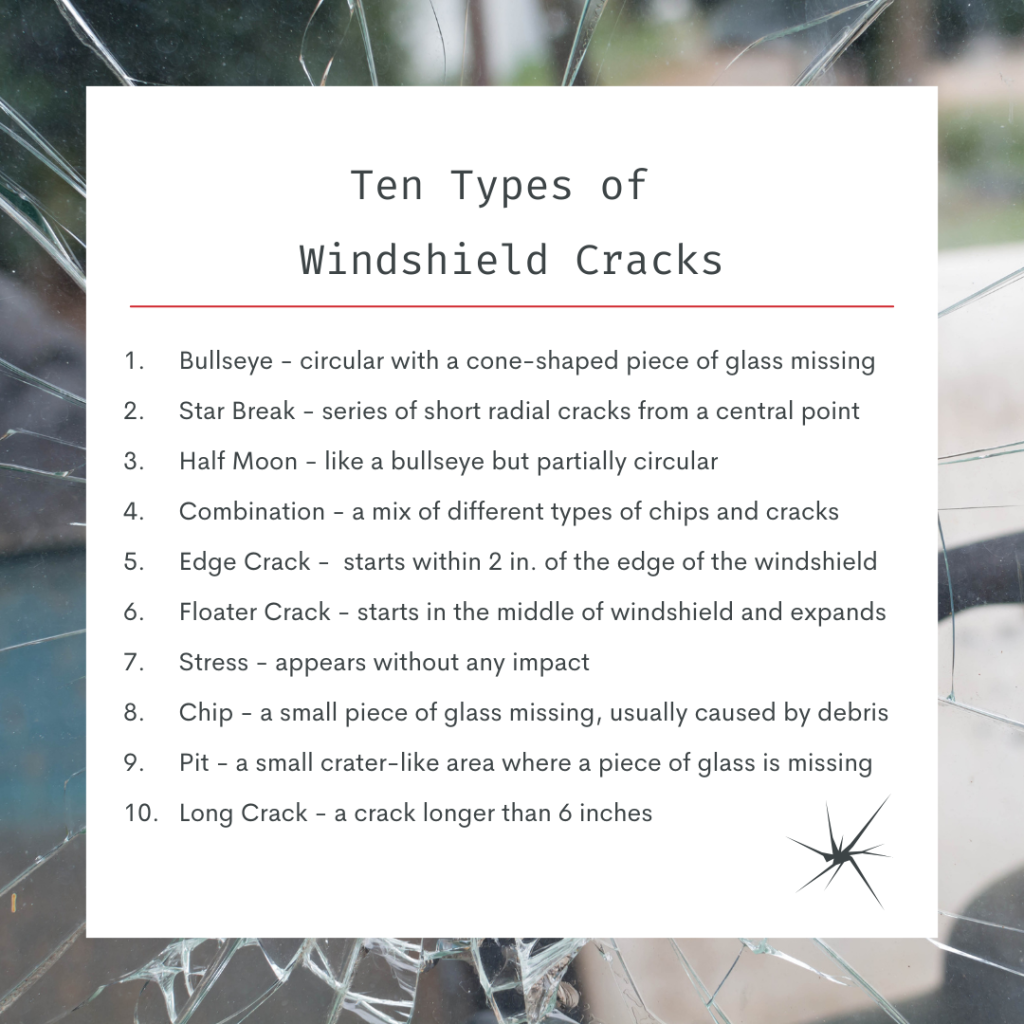
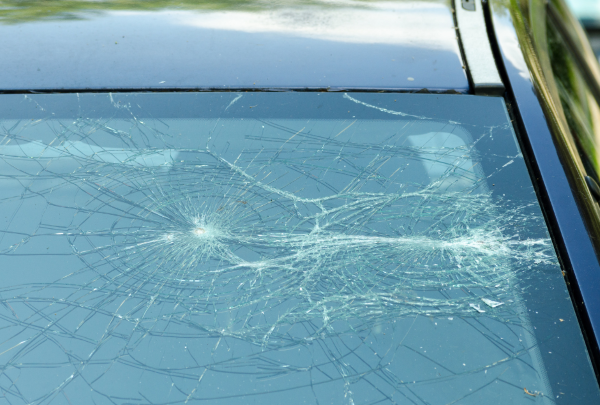
Experts typically recommend a windshield replacement when damage reaches certain thresholds. If the crack exceeds the size of a dollar bill, replacement is the standard advice. Damage near the edge of the windshield also warrants a replacement. Edge cracks spread very quickly. Complex cracks, like those with multiple radiating branches (star breaks), usually necessitate replacement, too. Protect yourself and your passengers; do not wait to fix serious damage.
Repair vs. Replacement: Key Determining Factors
Several factors influence the final decision between a simple repair and a full replacement.
1. Size and Depth
Small chips and cracks (under a quarter in size or a few inches long) often qualify for a quick repair. However, deep cracks pose a greater challenge. If the crack penetrates both the outer and inner glass layers, you need a complete replacement. A repair cannot restore the full integrity of deep damage.
2. Location Matters Most
The location of the damage is paramount. Any damage in the driver’s primary viewing area absolutely requires windshield replacement. This safety rule is non-negotiable. Cracks that have reached the edge of the windshield are also problematic. They are highly likely to spread further and necessitate a replacement.
3. Type of Damage
Simple chips like a bullseye or a small star break are often repairable, provided they are not in your line of sight. However, combination breaks—chips with radiating lines or multiple impact points—are harder to fix. These more complex damages often require a full windshield replacement to restore vehicle safety.
4. Time Since Damage
Prompt action is your best defense. Repairing a chip immediately prevents moisture and dirt from entering the glass. A delay allows these contaminants to enter the damage, making the final repair less effective. Over time, environmental factors, such as extreme temperatures, can cause a small crack to expand rapidly, turning a simple repair into an expensive replacement.
Addressing your windshield damage promptly maintains both vehicle safety and structural integrity. The decision rests on the size, location, type, and extent of the damage. Always consult a professional and understand your insurance coverage.If you have a crack or chip in your windshield, feel free to reach out to Sharp Auto Body today at 847-526-1343 for a professional assessment.