
Mastering the Maze: How to Survive Illinois Construction Zones
If you live in Illinois, you know the local joke: we only have two seasons—winter and construction. While neither is particularly pleasant, both are completely unavoidable for local drivers.
Navigating a sea of orange cones can be stressful, but your safety (and the safety of the workers on the road) depends on your ability to adapt. To help you navigate these zones without a scratch, we have compiled the ultimate guide to surviving construction season.
Why Construction Zones Demand Your Full Attention
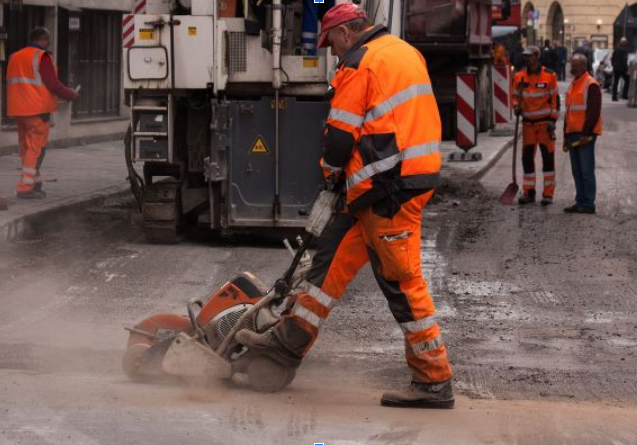
Did you know that thousands of accidents occur annually in work zones due to simple driver errors? These areas are unpredictable. Lane shifts, sudden stops, and moving machinery create a high-stakes environment where a split-second distraction can lead to a major collision.
Follow these essential tips to stay safe and keep your vehicle out of the shop.
1. Slow Down and Obey the Signs
First and foremost, obey the posted speed limits. Construction zone limits are often significantly lower than normal, and for a good reason. Reduced speeds give you more time to react to unexpected obstacles. Remember, in Illinois, speeding fines in work zones are incredibly hefty—save your money and your life by lifting your foot off the gas.
2. Stay Vigilant and Eliminate Distractions
While it should go without saying, avoid all distractions. Put the phone away, stop eating, and keep both hands on the wheel. You must be vigilant for construction workers, heavy equipment, and sudden lane changes. Because these zones alter normal traffic patterns, your GPS might not always be up to date. Therefore, you must rely on your eyes and the road signs rather than your screen.
3. Merge Early and Be Patient
As soon as you see a sign indicating a lane closure ahead, merge as early as possible. Waiting until the last moment—often called “zipper merging” at the wrong time—can cause unnecessary traffic jams and aggressive driving behavior from others. Furthermore, be prepared for delays. If you know a route is under heavy construction, allow extra travel time so you don’t feel the urge to rush.
4. Respect the Flaggers
Flaggers are your best source of real-time information. They are there to direct traffic through the most dangerous parts of the zone. Always follow their signals promptly and carefully. A single misunderstood hand signal can lead to a dangerous head-on situation or a collision with heavy machinery.
5. Maintain a Safe Following Distance
Because sudden stops are the “norm” in construction areas, you should increase your following distance. Give the vehicle in front of you plenty of space. This extra cushion provides a safety net if the driver ahead slams on their brakes due to a falling cone or a sudden worker movement.
6. Search for Alternate Routes
If you want to save time and reduce stress, use technology to your advantage before you leave. Check traffic apps for alternate routes that bypass major work zones entirely. Avoiding the congestion is the easiest way to ensure you stay out of harm’s way.
Final Thoughts on Road Safety
By implementing these safe driving habits, you significantly reduce the risk of an accident during the busiest roadwork months. Construction is a sign of progress, but it requires every driver to be at their best.
However, we know that accidents can still happen despite your best efforts.If you find yourself in a fender bender or a major collision during construction season, don’t panic. The team at Sharp Auto Body