
The First Thing to Do After an Accident: Safety Comes First
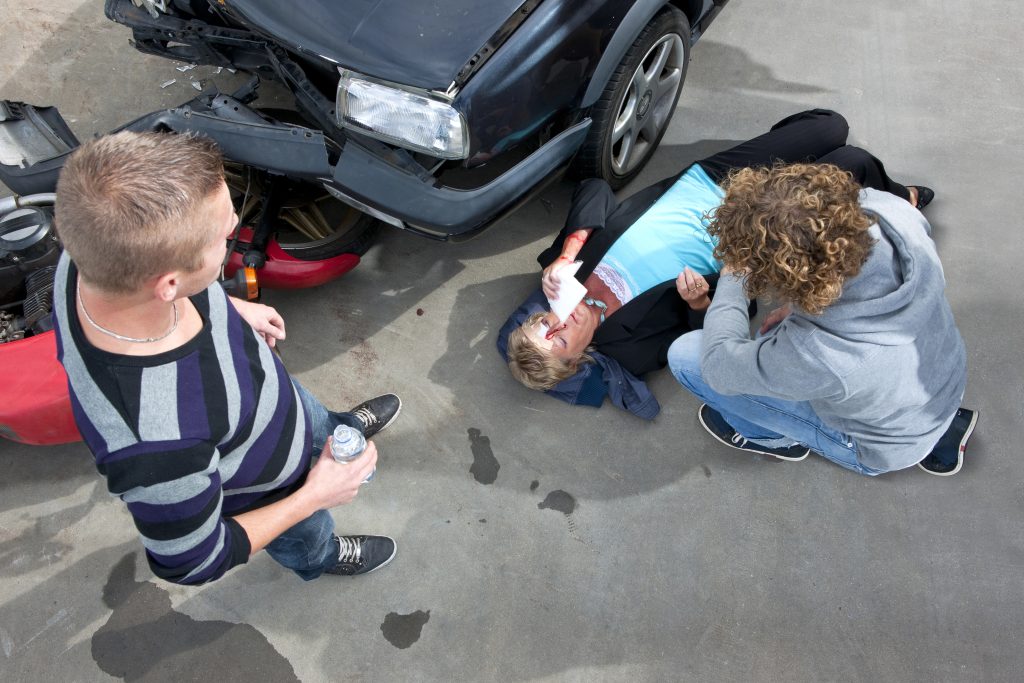
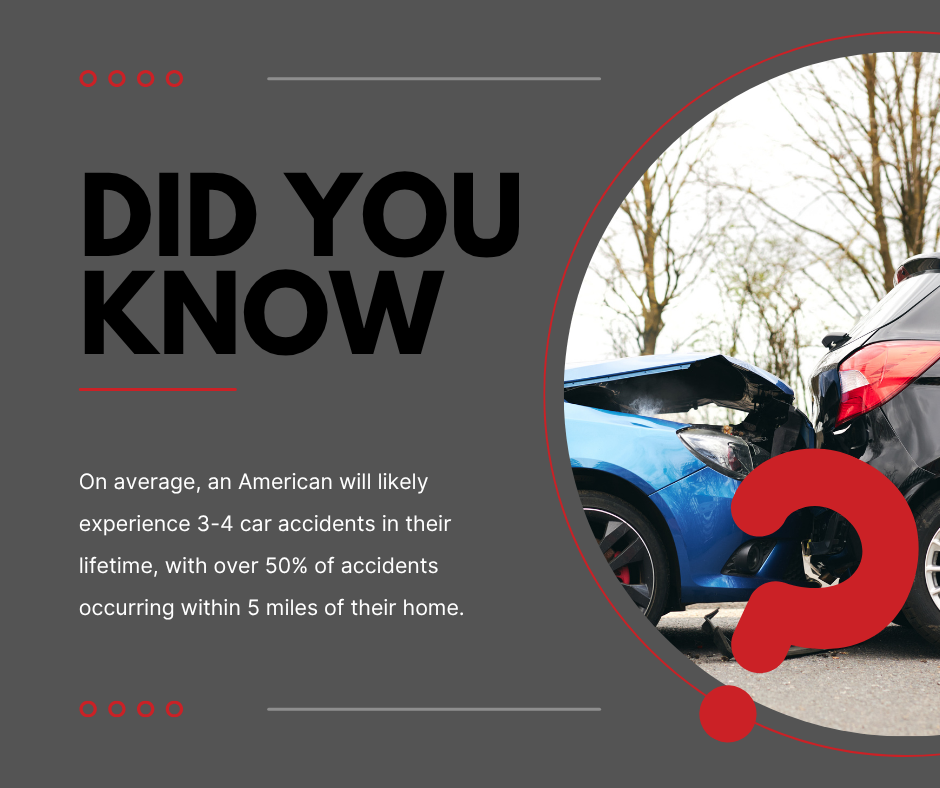
Accidents happen in the blink of an eye. One moment you are navigating traffic, and the next, you are gripping the steering wheel in the aftermath of a collision. Whether you experience a minor fender bender or a high-impact crash, your immediate actions dictate both your physical well-being and your financial recovery. While your mind may jump to repair costs or insurance premiums, you must prioritize one thing above all else: Safety.
Prioritize People Over Property
Your survival instinct often triggers a rush of adrenaline. You might feel an immediate urge to jump out of the car, inspect the bumper, or argue with the other driver. However, professional responders and experienced auto body experts agree that property damage is secondary. A car is a machine that technicians can fix or replace, but a life is irreplaceable.
In those first chaotic seconds, take a deep breath. Shift your focus away from the dented metal and toward the people inside the vehicles. By following a structured safety plan, you prevent further injury and create a calm environment for the steps that follow.
Step 1: Conduct an Immediate Injury Check
As soon as the vehicle comes to a complete stop, assess your own condition. Adrenaline often masks pain, so check your limbs and head for any signs of trauma. Once you confirm your own status, check on your passengers.
Do not assume everyone is fine just because they are conscious. Ask specific questions: “Does your neck hurt?” or “Are you feeling dizzy?” Internal injuries or concussions often remain hidden in the moments following an impact.
If it is safe to exit your vehicle, check on the occupants of the other car. Maintain a calm, non-confrontational tone. If anyone reports pain or appears disoriented, call 911 immediately. Professional medical evaluation is vital because even “minor” symptoms like slight dizziness can signal serious medical issues.
Step 2: Move to a Safe Location
Secondary accidents pose a massive threat at the scene of a collision. Standing in the middle of a busy road or highway puts you at extreme risk of being hit by passing motorists who may not see the wreckage.
If your vehicle is still drivable, move it carefully to the shoulder, a nearby parking lot, or a side street. Clearing the roadway prevents pile-ups and allows traffic to flow. If the vehicle is immobilized, turn on your hazard lights immediately.
Critical Safety Tip: Never stand between two vehicles or directly behind a car to inspect damage while in traffic. If another car strikes the parked vehicles, you could be pinned. Instead, exit the car only when there is a clear break in traffic and move behind a guardrail or onto a sidewalk.
Step 3: Transition to Documentation
Once you secure the scene and confirm everyone is safe, you can begin the transition toward the logistical side of the accident. This is where you start protecting your wallet. While help is on the way, you can begin gathering information, but only if you are completely out of harm’s way.
By staying focused on safety first, you actually save money in the long run. Rushing to exchange info in the middle of a lane leads to secondary accidents, higher medical bills, and more complex insurance claims.
We Stand With You
At Sharp Auto Body, we have witnessed the aftermath of countless accidents. We know that the stress of a crash is overwhelming, but we also know that a disciplined approach to safety saves lives. Once the dust settles and everyone is safe, we are here to handle the rest.
From coordinating with your insurance provider to performing precision, factory-standard repairs, we protect your investment. However, our number one priority remains the same as yours: keeping you and your family safe.
Need expert advice or a repair estimate? Call Sharp Auto Body at 847-526-1343. We put your well-being first.