
Mastering Blind Hazards: Turns and Spots
Safe driving requires more than just knowing your vehicle; it demands active awareness of the road’s hidden dangers. Two critical challenges frequently test a driver’s vigilance: blind turns and the ever-present vehicle blind spot. Understanding these hazards and proactively addressing them drastically reduces your risk of an accident.
The Danger Zone: Why Blind Turns Demand Caution
Blind turns, often found on winding roads or in areas with obstructed views (buildings, foliage), severely limit your line of sight. You cannot see what lies around the corner, and that lack of visibility creates immediate dangers.
You Lose Control: Sharp curves can cause drivers to lose control if they approach the turn too fast.
You Limit Visibility: Drivers cannot predict oncoming traffic, pedestrians, or obstacles.
Obstacles Appear Suddenly: Pedestrians, cyclists, or stalled vehicles can pop up instantly, demanding rapid braking.
Oncoming Traffic Speeds High: Vehicles approaching from the opposite direction may maintain high speeds, giving you less time to react.
5 Active Steps to Navigate Blind Turns Safely
You must adopt a proactive approach when approaching any corner where your view is obstructed.
- Reduce Your Speed Significantly: Slow down as you approach the turn. This action buys you crucial reaction time if you encounter an unexpected hazard.
- Stay Firmly in Your Lane: Keep your vehicle well within your designated lane. You prevent head-on collisions by avoiding crossing the centerline, especially on sharp curves.
- Activate Your Headlights: Turn on your headlights, even during the day. This increases your vehicle’s visibility, alerting oncoming traffic to your presence before they see you.
- Look for Environmental Clues: Watch actively for clues. Shadows, reflections on nearby windows, or headlights piercing through trees signal approaching vehicles.
- Be Prepared to Stop: Cover your brake pedal. You must be ready to halt immediately if an obstacle or oncoming car appears unexpectedly.
Mastering Your Vehicle’s Blind Spots
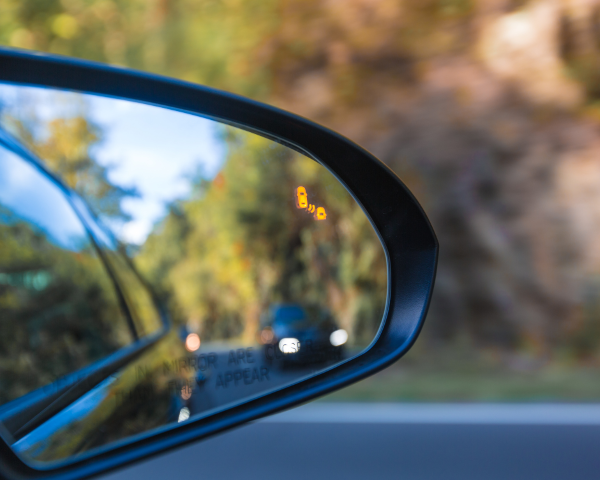
Beyond the road’s curves, your own vehicle possesses the notorious blind spot,areas that your side and rear-view mirrors miss. This is the danger zone during lane changes and merges.
- Hidden Vehicles: Blind spots easily conceal other cars, cyclists, or motorcyclists during lane changes.
- Intersections Block Views: Parked cars or buildings at intersections block your view of cross-traffic, exacerbating the problem.
- Complex Intersections: Multi-directional traffic at intersections increases the risk of collisions if you fail to check all zones.
6 Active Tips for Intersections and Lane Changes
You take control of your safety by implementing these checks actively.
- Approach with Caution: Slow down and prepare to stop before entering an intersection, especially where views are limited.
- Look in All Directions: Check left, right, and straight ahead before proceeding. Never assume you have the right-of-way simply because the light is green.
- Use Signals Early: Signal your intentions clearly well in advance of turning or changing lanes. This gives other drivers time to react to your movement.
- Perform the Shoulder Check: Turn your head and actively check your blind spot before every lane change or turn. Your mirrors are not enough.
- Wait for a Clear Path: Enter an intersection only when you are certain you can clear it. You must avoid getting caught in the middle if the traffic flow stops.
- Maintain High Alertness: Stay aware of all surroundings. Anticipate potential scenarios and be ready to take evasive action if other drivers make sudden moves.
You are responsible for safely navigating these challenging road sections. By adopting these active, defensive driving strategies, you significantly reduce the risk of accidents.
We sincerely hope this enhanced vigilance keeps you safe. However, in the event an accident due to a blind spot or turn requires repairs, reach out to Sharp Auto Body at 847-526-1343 for your vehicle repairs.