
Can I Fight the Insurance Company’s Decision to Total My Car?
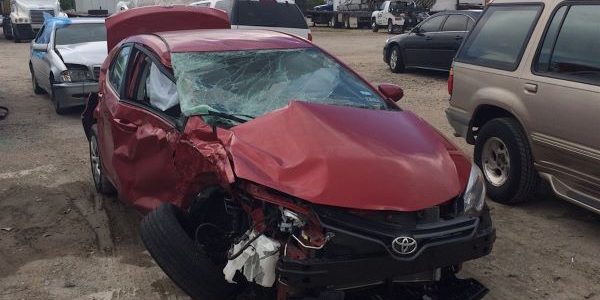
After an accident, the last thing you want to hear is that your car has been declared a “total loss.” You may have an emotional attachment to your vehicle, or you might believe it can be repaired safely and affordably. So, what can you do if your insurance company decides to total your car — but you disagree?
The good news is that you can contest an insurance company’s decision to total your vehicle. While the process requires patience and documentation, understanding your rights and taking the right steps can make a big difference.
Why the Insurance Company Declared Your Car a Total Loss
An insurance company typically declares a vehicle a total loss when the cost of repairs exceeds a certain percentage of the car’s actual cash value (ACV). This percentage varies by state and insurance provider, often ranging between 70% and 80%.
For example, if your car’s value is $10,000 and repairs are estimated at $8,000, the insurer may decide it’s not cost-effective to fix. Instead, they’ll offer a payout based on the car’s pre-accident value, minus your deductible.
But sometimes, that value doesn’t reflect your car’s true worth — especially if you’ve kept it in excellent condition, recently made repairs, or added upgrades. That’s when it makes sense to challenge the insurer’s decision.
Step 1: Review Your Policy
Start by reviewing your auto insurance policy. Pay close attention to the sections that discuss total loss determination, vehicle valuation, and dispute resolution.
Understanding these terms will help you know your rights and how the company arrived at its decision. Some policies include procedures for disputing valuations, such as requesting an appraisal or submitting additional evidence. Knowing these details gives you a strong foundation before you take the next step.
Step 2: Get a Second Opinion
Insurance companies base their total loss decision on estimates from their adjusters or approved repair shops. However, you’re not required to accept their estimate at face value.
Get an independent assessment from a trusted auto body shop or mechanic. They can evaluate the damage, estimate repair costs, and give you a realistic picture of whether the vehicle can be repaired safely and economically.
This second opinion can provide valuable leverage, especially if the repair costs come in lower than the insurance company’s assessment.
Step 3: Gather Evidence to Support Your Case
To strengthen your argument, collect all relevant documentation that proves your car’s value and condition before the accident. This might include:
- Maintenance and service records showing you’ve kept the vehicle in good shape.
- Receipts for recent upgrades or major repairs, such as new tires, brakes, or transmission work.
- Comparable vehicle listings from reputable sources like Kelley Blue Book, Edmunds, or AutoTrader, showing similar cars selling for higher prices.
This information helps demonstrate that your car’s market value is higher than what the insurance company calculated, making the repair cost ratio more favorable.
Step 4: Negotiate with the Insurance Company
Once you’ve gathered your evidence, contact your claims adjuster to discuss your findings. Present your documentation clearly and confidently. Explain why you believe the car should not be declared a total loss and provide copies of your supporting materials.
Stay calm and professional. Negotiations often take several conversations. If the insurer is open to reviewing your evidence, they may adjust the payout or reconsider the total loss decision.
Step 5: File a Complaint if Needed
If you’ve provided documentation and still can’t reach a resolution, you can file a formal complaint with your state’s Department of Insurance or regulatory agency. These departments exist to protect consumers and ensure insurance companies handle claims fairly.
Include all records of your communications, estimates, and documentation when submitting your complaint. Regulators can review your case and sometimes prompt the insurer to re-evaluate its decision.
Step 6: Seek Legal Advice
When all else fails, you may want to consult an attorney who specializes in insurance law. A legal professional can assess your case, help you understand your rights, and guide you through possible next steps, such as arbitration or legal action.
Keep in mind that taking legal action should be a last resort. But in some cases, it’s the only way to ensure fair treatment.
Document Everything
Throughout the process, keep a detailed record of all correspondence with your insurance company. Save copies of emails, letters, phone call notes, and documents. Organized records will strengthen your position if your dispute escalates.
You don’t have to accept the insurance company’s decision without question. If you believe your car can be repaired or that its value has been underestimated, you have the right to challenge the total loss determination.
By reviewing your policy, gathering solid evidence, and negotiating with confidence, you may be able to reach a more favorable outcome.
If you need professional support or a second opinion, contact Sharp Auto Body today at 847-526-1343. Our experienced team can assess your vehicle, explain your options, and help you make an informed decision.